
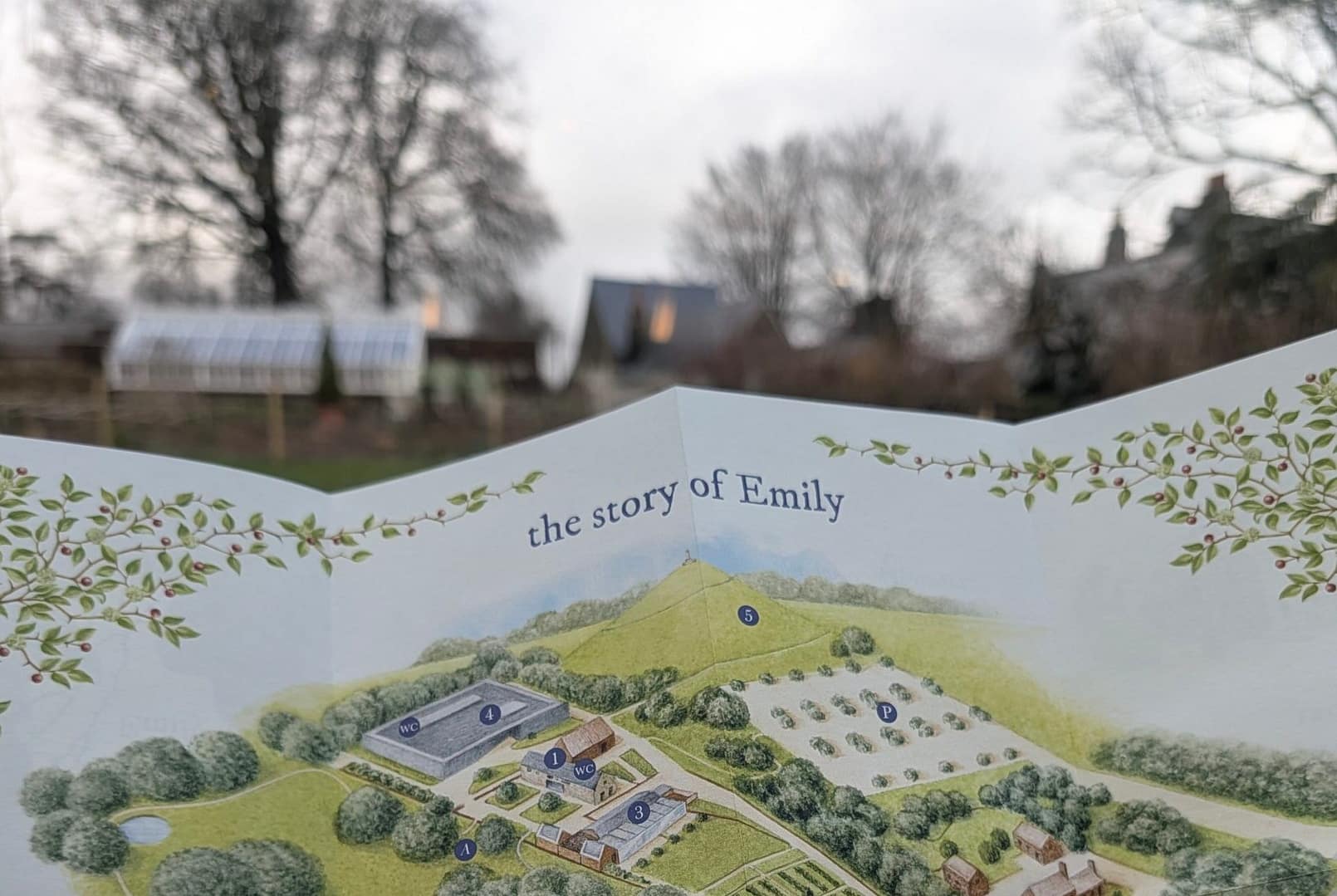
The story of Emily: the most powerful cultural experience in Cornwall?
If, like me, you enjoy a bit of culture, history and thoughtfully designed spaces, The Story of Emily encapsulates all three elements, into one of the most impressive — and underrated — experiences in Cornwall.
I recently visited with my parents, wanting to spend some quality time together and experience something a bit different. I’d heard about The Story of Emily for a while, but nothing quite prepared me for how powerful, well-designed, and genuinely memorable it would be.
First impressions
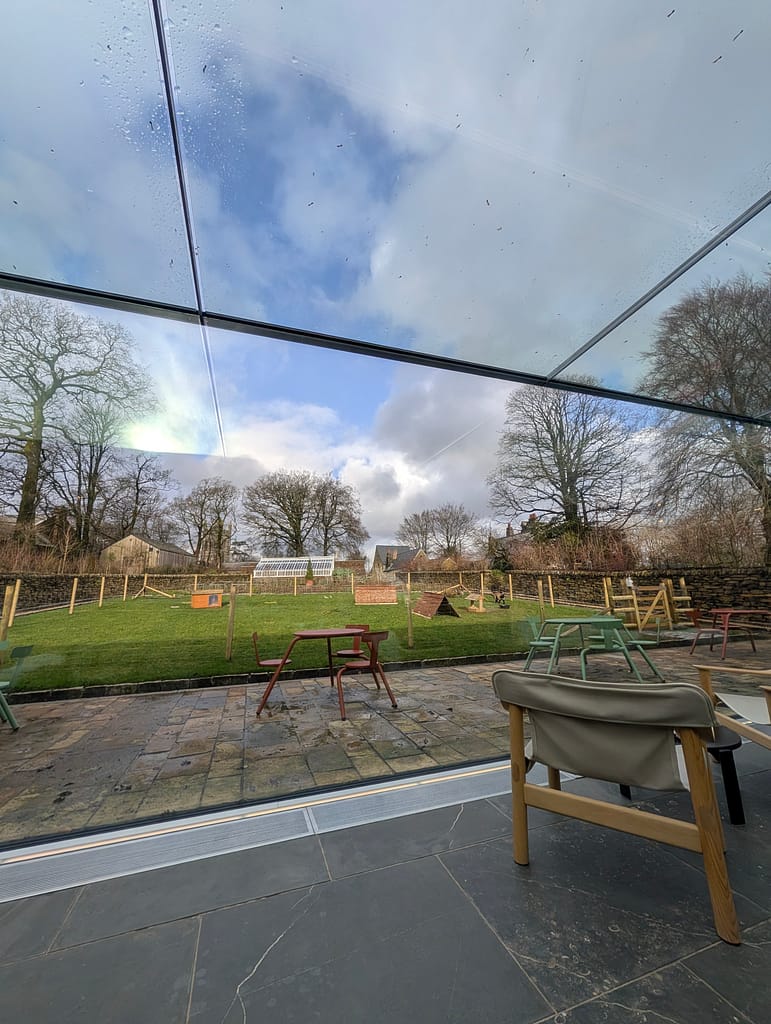
The Story of Emily is located just outside Liskeard and is housed within a series of beautifully converted former farm buildings. If you have an interest in architecture, this alone is reason enough to visit. The reception and restaurant space, which were former farm buildings, have been transformed in part using vast amounts of glass, allowing light to flood in and creating a strong connection to the surrounding landscape.
One particularly striking detail is that the restaurant building features the longest single pane of glass in Europe, something you can’t help but notice when you step inside.
Despite the historical subject matter, the whole attraction feels very modern and well organised. It has only been open for around a year, and everything feels carefully thought through. There were plenty of staff on hand to help, and speaking to a few of them, it was clear they genuinely enjoyed working there — which really adds to the experience.
At the back of the reception area, there’s an introductory video that sets the scene for what’s to come, including a Cornish piskie — a lovely nod to local folklore.
From here, visitors are free to choose their route, whether that’s heading straight to Emily Hobhouse’s former home, exploring the War Rooms, or starting in the restaurant.
The restaurant: light, calm, and impressive
After travelling up from west Cornwall, we obviously needed some refreshments, so decided to begin in the restaurant — and it turned out to be a great choice.
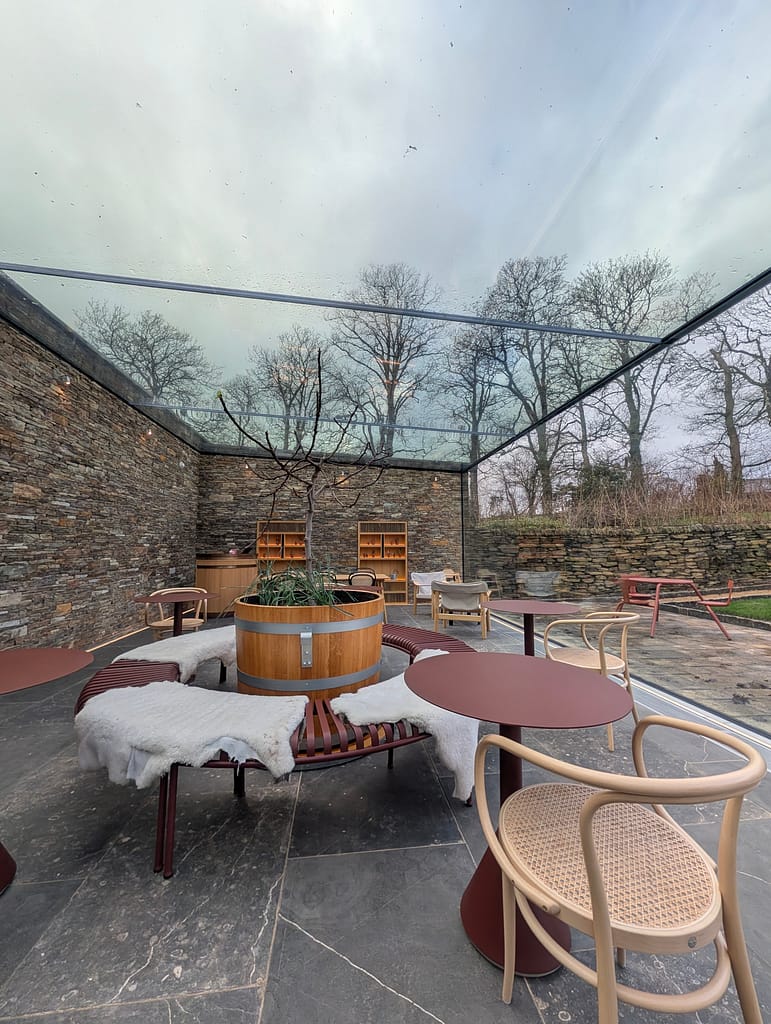
The restaurant is flooded with natural light, with indoor trees growing beneath the glass roof and views stretching out beyond the building. The interior design is modern and cosy, with wooden-clad walls, sheepskin rugs, and contemporary seating.
The menu includes African-inspired food, which makes much more sense once you’ve explored the War Rooms later. I opted for a homemade ginger beer, while my parents chose a pot of tea served in a green teapot. We sat and admired the space, which they kept saying was ‘superb’, and they weren’t wrong.
We watched goats playing outside through the enormous glass window, feeling almost as if we were outdoors ourselves. The open kitchen is visible from the seating area, adding to the sense of transparency and care that runs throughout the whole site.

Emily Hobhouse’s home
From the restaurant, we walked through the gardens towards the rectory — Emily Hobhouse’s former home.
At the entrance to the house, a member of staff welcomes you and asks you to ring a pulley-operated doorbell before entering. Inside, you’re given leather overshoes and asked to leave bags and coats if you wish. You’re then free to explore the house at your own pace.
The rectory has been beautifully preserved and recreated. As you move through the rooms, an audio headset automatically activates, sharing stories and context specific to each space. This works seamlessly and allows you to absorb the history without feeling rushed or overwhelmed.
We loved learning about Emily’s family life — she was one of six siblings — and seeing how domestic life would have looked during the Victorian era. The contrast between the boys’ and girls’ bedrooms was particularly striking, with the boys’ rooms filled with toys and activities and the girls room looking a bit sparse in comparison.
One of my favourite spaces was the kitchen, complete with original equipment such as a large pestle and mortar. The kitchen taps were the biggest I’ve ever seen! I also noticed how cold and draughty the house must have been, with its large windows and doors — a small but powerful reminder of how different everyday life once was.
Controversial opinion, but I loved the fact that photography isn’t permitted throughout most of the house, apart from the top floor. This helps to keep it all a bit special and make it a surprise for others visiting. We spent around an hour exploring, taking our time and enjoying the many details. There’s also a dedicated room where visitors can try on Victorian clothing and take photos here using a built-in phone stand — a fun, light-hearted moment within an otherwise thoughtful experience.
The War Rooms: immersive and emotional
From the rectory, we made our way to the War Rooms — a large, industrial-style building designed to feel atmospheric from the moment you arrive. Even the entrance sets the tone.
Inside, the attention to detail is exceptional. Old typewriters, moving paper overhead to mimic a printing press, and carefully curated spaces help transport you into another time. So clever.
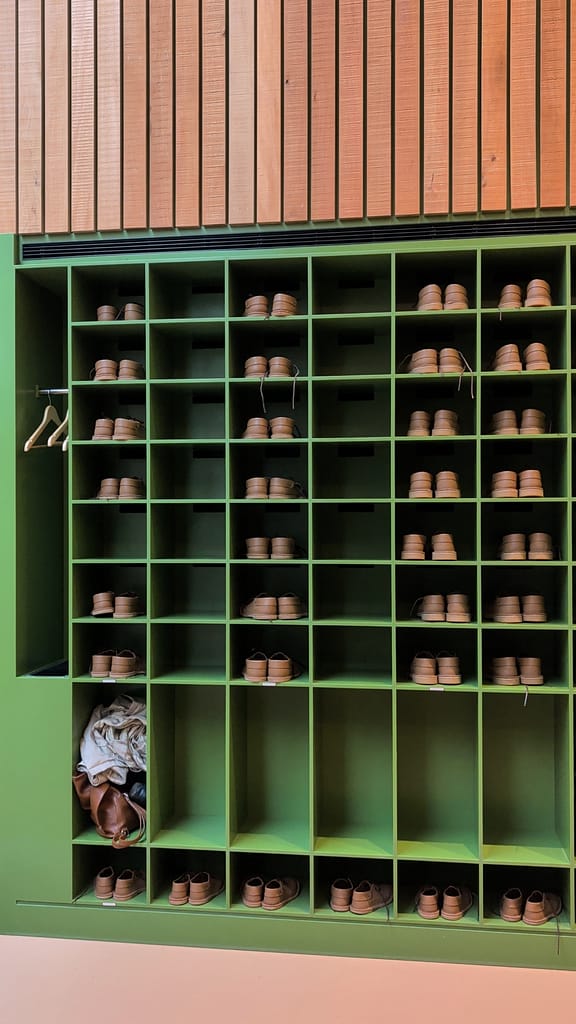
Here, visitors are given headsets and asked to change into provided shoes or wear overshoes, with bags stored in cubbies. The experience unfolds through a series of rooms, each telling part of Emily Hobhouse’s story and the wider context of war.
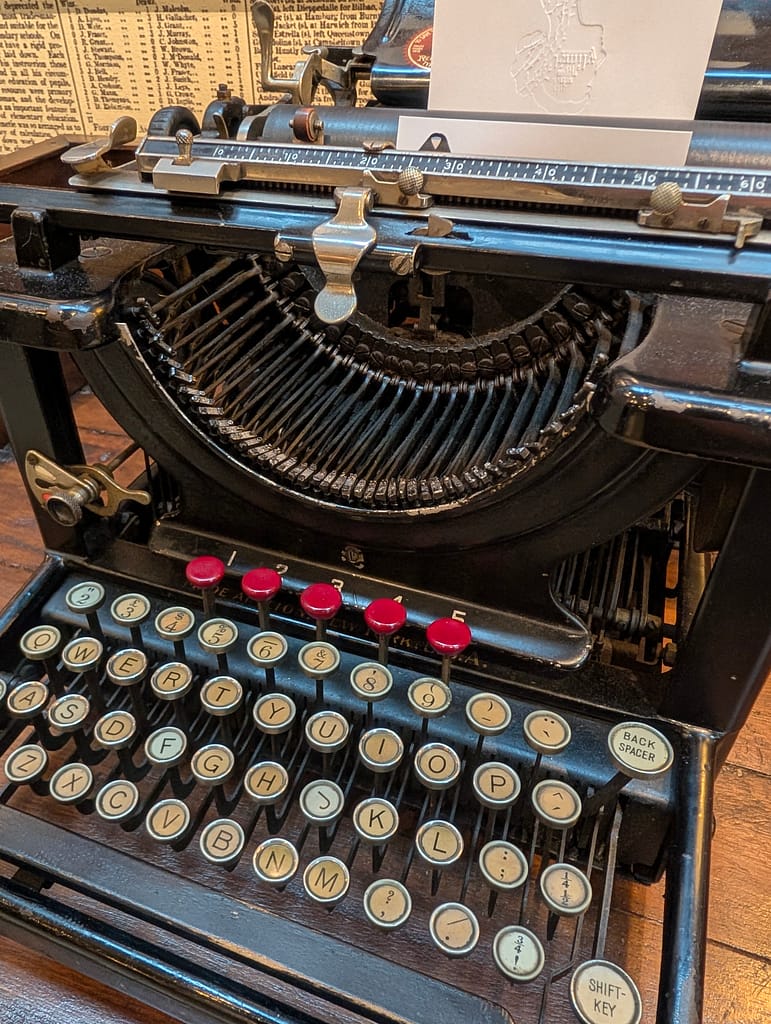
The audio experience is detailed, immersive, and at times deeply moving. There is also a virtual reality element — my first experience of VR — which added another layer to the storytelling and made the history feel incredibly immediate. I actually felt like I was there with the people, it was so immersive.
One important thing to note is timing. We only allowed around three hours for the full visit, which was an error on our part – four hours would be more realistic for both the rectory and the war rooms – not including a visit to the restaurant. The War Rooms follow a timed structure, and rushing through would mean missing the depth of the story. We also experienced a few minor technical issues with the audio headset, which staff were quick to help with, but it’s worth allowing extra time just in case.
Despite this, the War Rooms were outstanding. Emily Hobhouse’s story is not an easy one, but it is an essential and inspiring one. Her work as a Cornish humanitarian changed lives and left a lasting mark on history.
Is the story of Emily suitable for children?
In my opinion, the War Rooms would not be suitable for younger children, Much of the content may go over their heads or be emotionally distressing. Older children or teenagers, however, would gain a great deal from the experience – especially those interested in history or perhaps learning about it at school.
The rectory, on the other hand, would be much more engaging for younger visitors. The opportunity to explore, touch objects, and try on clothing makes it far more interactive than many traditional heritage sites. We spoke to the manager whilst we were there, and he actively encouraged us to engage with the space, rather than simply observing from a distance, which really helps bring history to life.
The restaurant is, of course, suitable for everyone and is worth visiting even on its own — particularly if you’re interested in architecture and design. We did not eat in the restaurant on our visit, but I would love to visit again to try this part of the experience.
Final thoughts
Overall, The Story of Emily is one of the best cultural and historical experiences in Cornwall. The storytelling, design, and immersive elements are exceptionally well done, and it offers something genuinely different from many other attractions in the region. Another string to Cornwall’s bow.
It’s also a brilliant option if you’re visiting Cornwall outside peak summer or looking for something engaging to do when the weather isn’t playing ball — I’ve shared more ideas for rainy days in Cornwall here.
Standard entry is £25, with an annual pass available for £35 if you think you might return. Children aged 5-17 can enter for £5, and its the same price for a children’s annual pass too. It’s an experience I would absolutely recommend visiting with family, friends, or anyone interested in history, architecture, and meaningful storytelling. You can find out more about The Story of Emily and purchase tickets here.
Cornwall has many beautiful places, but experiences like this remind you that its stories are just as powerful.


One Comment